


Blog
Benefits of iso 14001:2015
14-Jul-2022 10:10 AMEnvironmental management system ISO 14001:2015 is a set of standards that help companies reduce the environmental impact of their organization. Companies that follow ISO 14000 can obtain a certificate that demonstrates compliance with environmentally friendly practices. Its aim is to help companies manage processes efficiently
Read More
Difference between the Corporate and Individual Funding
18-May-2023 15:05 PMNormally, we have various types of funding for the training courses. But here now going to see the difference between the funding depends on the participants. Whether the participants apply for the course through the company or apply for the course on their own. Once upon a time, the participants only apply for funding. We just help for apply Corporate funding.
Read More
Upgrade to bizSAFE Level 3 to Level Star + ISO 45001.
12-Jul-2022 10:05 AMA company is listed on the WSH Councils' website as a member of the bizSAFE community. It can proudly display the bizSAFE logo on its business collateral (letterhead, name cards, etc) to signify its safety commitment. The company can also take advantage of other business advantages offered by bizSAFE partners, which include government agencies, banks, insurance companies, big corporations, an
Read More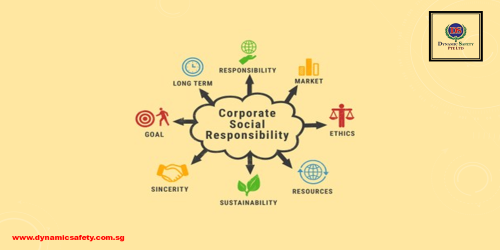
What Is Corporate Social Responsibility (CSR)?
08-Jul-2022 10:11 AMCorporations are accountable for their social and environmental impacts through corporate social responsibility (CSR). Besides maximizing profits, CSR promotes other pro-social objectives for corporations. Environmental externalities are avoided, volunteerism is promoted, and donations to charity are among CSR objectives. Why Should a Company Implement CSR? As CSR becomes an increasingly importa
Read More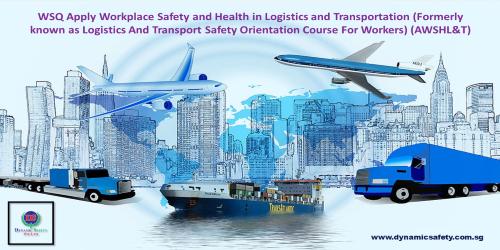
WSQ Apply Workplace Safety and Health in Logistics and Transportation (AWSHL&T)
18-May-2023 15:03 PMTransporting goods to customers is known as Logistics, which involves the movement of goods. Workers in the logistic and transport industry are required to complete the Logistic and Transport Safety Orientation Course for Workers as a basic workplace safety and health course. Training will ensure that all employees receive relevant knowledge and skills to become Safe. A substantia
Read More_u3oqqnel.png)
BENEFITS OF ISO 9001:2015
06-Jul-2022 10:09 AMQUALITY MANAGEMENT SYSTEM (QMS) (ISO 9001:2015) Small and large businesses can both benefit from this program. Improved management within the company. The amount of waste is reduced. An increase in efficiency, productivity, and profit. Increased customer retention and acquisition. Measuring and monitoring consistent outcomes. An internationally recognized standard.
Read More